Bad documentation says what things are. Good documentation says what they do.
The widespread contempt for grammar in society is one of my numerous hobby
horses. In school I got the impression that grammar was about diagramming
sentences and placing commas. They told us that certain constructs are
incorrect, but these were presented as arbitrary societal rules which serve no
other purpose than to demonstrate education and get into a good college. Since
this was in the 1980’s and conforming to arbitrary societal rules were seen as
uncool and silly, grammar was uncool and silly.
What they did not tell us was that not only do words have meaning, but
gramatical constructs have meaning too and sometimes if you use the wrong one
you will not be understood. This is not always a problem in the situations of
daily life since most people know what you meant to say.
The phrase “no rest for the wicked” is an amalgam of two passages in the Bible
book of Isaiah.
Chapter 48 verse 22 in the King James Version:
There is no peace, saith the LORD, unto the wicked.
Chapter 57 verses 20 and 21 also in the King James Version:
20 But the wicked are like the troubled sea, when it cannot rest, whose
waters cast up mire and dirt. 21 There is no peace, saith my God, to the
wicked.
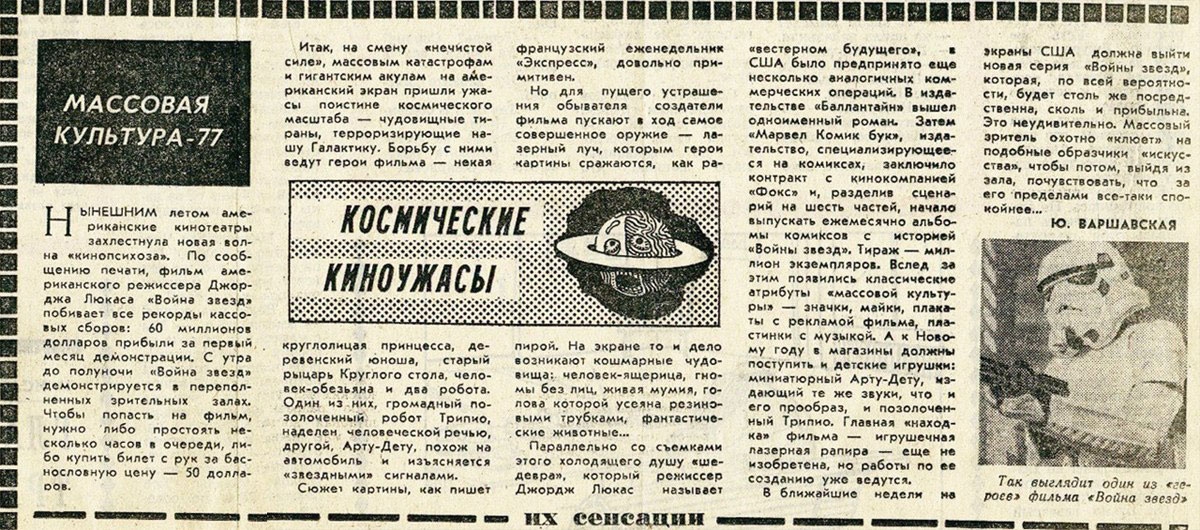
The review as it appeared in the Literary Gazette.
Caption under photograph of storm trooper:
This is what one of the “heroes” of the film War of the Stars looks like.
This is the first review of Star Wars published in the Soviet Union. It
appeared in the Literary Gazette, a Moscow weekly, on September 7, 1977.
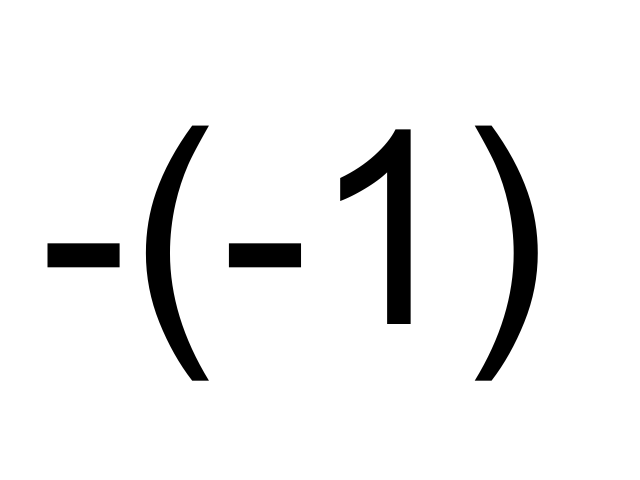
A few years ago a user on Stack Exchange asked why the construction used in
this English sentence is not considered a double negative.
If I don’t use the microphone, nobody will hear me.
This question was presumably prompted by the familiar admonition not to use a
double negative. This warning refers to dialect constructions such as in this
sentence:
If I don’t use no microphone, no one will hear me.